




Abdominal Surgical Pack: Core Choice of Medical Sterile Consumables, Comprehensive Guide to Procurement and Application
In clinical surgical operations, the abdominal surgical pack is an indispensable core sterile consumable, widely used in various abdominal-related procedures such as laparoscopic surgery and open abdominal surgery. As a standardized set that integrates basic instruments and dressings required for surgery, a high-quality abdominal surgical pack not only improves surgical efficiency but also effectively reduces the risk of cross-infection, safeguarding the safety of both doctors and patients. This article will detailedly analyze the core advantages, composition specifications, application scenarios, and procurement key points of abdominal surgical packs to assist medical institutions in accurate selection.
I. Core Composition and Specifications of
Abdominal Surgical Packs
The design of medical abdominal surgical
packs follows the principle of "practical adaptation, sterility and
safety". The conventional configuration covers the following categories
(specific specifications can be customized on demand):
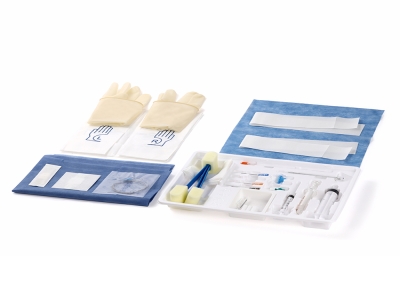
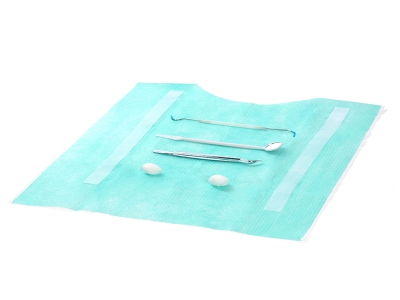
Sterile Dressing Category: Surgical towels,
treatment towels, hole towels, gauze pieces, cotton balls, etc. Made of medical
absorbent cotton material, they have strong liquid absorption capacity, good
air permeability, and no irritation;
Surgical Instrument Category: Basic
instruments such as hemostats, needle holders, tissue scissors, retractors, and
forceps. The surface is treated with anti-rust technology, featuring high
precision and easy operation;
Auxiliary Consumable Category: Disposable
sterile gloves, surgical gowns, drainage tubes, sutures, syringes, etc.
Produced through the whole-process sterile production to avoid cross-infection;
Customized Configuration: Specialized
instruments or special dressings can be added according to the type of surgery
(such as laparoscopic minimally invasive surgery, abdominal tumor resection) to
meet personalized needs.
II. Key Advantages of Disposable Abdominal
Surgical Packs
Sterility Guarantee: Adopting ethylene
oxide (EO) sterilization process, the sterilization qualification rate reaches
100%. With independent sealed packaging, it maintains a sterile state within
the validity period, eliminating the hidden risk of intraoperative infection;
Efficiency and Convenience: The
standardized matching of instruments and dressings is completed before surgery,
no additional sorting or disinfection is required, which saves the surgical
preparation time and improves the work efficiency of medical staff;
Safety and Environmental Protection:
Complying with medical device industry standards, the material is non-toxic and
harmless. After use, it can be disposed of in accordance with the standardized
medical waste disposal regulations to reduce environmental pollution;
Stable Quality: The production process
undergoes multiple quality inspections (raw material inspection, sterilization
effect testing, packaging tightness testing) to ensure the consistency and
reliability of each set of products.
III. Application Scenarios of Abdominal
Surgical Packs
Hospital Clinical Practice: Used in general
surgery, abdominal surgery, obstetrics and gynecology, emergency department of
general hospitals for operations such as abdominal exploration, appendectomy,
cholecystectomy, and cesarean section;
Primary Medical Care: Applicable to routine
abdominal surgeries and emergency rescue scenarios in township health centers
and community health service centers;
Medical Aesthetic Institutions: Used in
abdominal plastic surgery, fat grafting and other medical aesthetic surgeries
to meet the requirements of sterile operation;
Scientific Research and Teaching: Providing
standardized training tools for practical training in medical colleges and
surgical skills training scenarios.
IV. Procurement and Selection Guide for
Abdominal Surgical Packs
Qualification Certification: Prioritize
manufacturers with "Medical Device Production License" and
"Medical Device Registration Certificate". The products should pass
the ISO 13485 quality management system certification to ensure compliance;
Customization on Demand: Select basic or
customized models according to the common types of surgeries in the institution
to avoid resource waste; Pay attention to core parameters such as instrument
material (e.g., stainless steel grade) and dressing liquid absorption capacity;
Cost-Effectiveness Comparison: Conduct a
comprehensive evaluation combining procurement volume, supply cycle, and
after-sales service (such as return and exchange policy, technical support) to
select the most cost-effective solution;
Sterility and Shelf Life: Confirm the
product sterilization method and sealed packaging quality; Check the shelf life
(usually 18-24 months) to avoid purchasing products near the expiration date;
Reputation Reference: Refer to the
procurement cases of peer institutions and select suppliers with a good market
reputation and timely after-sales response to ensure the stability of supply.
V. Conclusion
As a "basic guarantee set" for clinical surgeries, the quality of abdominal surgical packs is directly related to surgical safety and efficiency. Choosing compliant and high-quality disposable abdominal surgical packs is a key measure for medical institutions to improve the quality of medical services and reduce the risk of infection. If you need a customized abdominal surgical pack solution, consultation on procurement prices, or information about direct supply channels from manufacturers, please feel free to contact us, and we will provide you with professional product selection and supply chain support!