
How to Choose & Use Suture Removal Packs: Essential Tips for Avoiding Infection
I. What is a Suture Removal Pack?
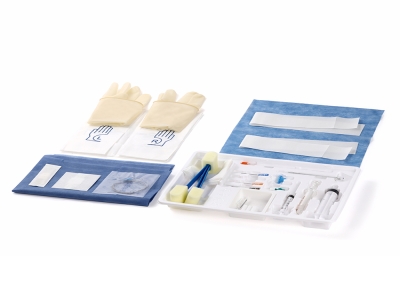
A Suture Removal Pack is a set of
single-use, sterile-packaged medical supplies designed specifically for suture
removal procedures. It integrates all essential tools required for suture
removal, preventing cross-infection and simplifying medical operation
workflows. Whether in hospital surgical departments, community clinics, or
post-operative home care (under professional guidance), suture removal packs
are critical tools for ensuring safe and efficient suture removal.
II. Core Components and Advantages of
Suture Removal Packs
1. Standard Configuration (Compliant with
Medical Industry Standards)
Sterile Suture Scissors: Made of
medical-grade stainless steel, featuring sharp, non-slip blades that cut
sutures precisely without damaging the skin.
Sterile Forceps: Available in pointed or
rounded tips, used for grasping sutures and assisting in separating suture
ends. The smooth surface allows for easy disinfection.
Sterile Gauze Pads: Highly absorbent, used
for cleaning wounds and applying pressure to stop bleeding.
Disinfectant Wipes / PVP-I Cotton Swabs:
Used to disinfect the wound and surrounding skin before the procedure, reducing
the risk of infection.
Disposable Gloves: Isolate bacteria to
protect both medical staff and patients.
Sterile Packaging: Individually sealed and
sterilized via ethylene oxide (EO) sterilization, with a typical shelf life of
2–3 years.
2. Core Advantages
Sterile Safety: Individually packaged and
sterilized to avoid cross-infection caused by reuse, complying with the
"Good Manufacturing Practice for Medical Devices".
Convenience and Efficiency: All tools are
provided in one set, eliminating the need to prepare supplies separately and
saving time during medical operations.
Strong Versatility: Suitable for various
scenarios such as surgical incisions and traumatic suture wounds. Different
specifications are available to meet the needs of adults and children.
User-Friendly Operation: Tools are
ergonomically designed, allowing new medical staff to master the operation
quickly.
III. Application Scenarios of Suture
Removal Packs
Hospital Departments: Post-operative suture
removal in surgical, orthopedic, obstetric, gynecological, and emergency
departments.
Primary Healthcare: Routine suture removal
services in community health centers, clinics, and township health centers.
Home Care: Post-operative suture removal
for patients at home (under professional guidance; self-operation is not
recommended).
Outdoor Rescue: Suture removal in emergency
medical scenarios (to be used with first-aid kits).
IV. Correct Usage Steps for Suture Removal
Packs
Preparation: Open the sterile packaging,
take out all tools, and check for packaging damage or expiration (do not use if
expired or damaged).
Disinfection Process: Put on disposable
gloves, and wipe the skin around the wound with disinfectant wipes or PVP-I
cotton swabs (perform spiral disinfection from the inside out, at least twice).
Suture Removal Operation: Gently lift the
suture knot with forceps, insert the tip of the suture scissors under the knot
(close to the skin but not touching it), cut the suture, then slowly pull out
the suture with the forceps.
Post-Operation Care: Clean the wound with
sterile gauze, check for oozing or redness. If necessary, apply disinfectant or
ointment and cover with a sterile dressing.
⚠️ Note: Suture
removal should only be performed when the wound is well-healed (no infection or
exudate), and the specific timing must follow medical advice. If the wound
splits or heavy bleeding occurs during operation, stop immediately and seek
medical help.
V. Key Purchasing Tips for Suture Removal
Packs (Avoid Pitfalls)
Qualification Certification: Choose manufacturers
with "Medical Device Registration Certificate" and "Medical
Device Manufacturing License". Products must comply with the GB/T
19633-2005 standard for sterile medical devices.
Material Requirements: Prioritize tools
made of medical-grade stainless steel (corrosion-resistant and high-temperature
resistant). Gauze and cotton swabs should be free of fluorescent agents and
unusual odors.
Specification Matching: Select
configurations based on usage scenarios (e.g., rounded-tip forceps and
small-sized scissors for pediatric use). For bulk purchases, confirm the
minimum order quantity and delivery cycle.
Storage Conditions: Store in a dry,
ventilated environment away from direct sunlight to prevent packaging from
getting damp or damaged.
Cost-Effectiveness: Compare prices, shelf
lives, and after-sales services of different brands. Prioritize suppliers with
a good reputation and comprehensive after-sales support (e.g., providing
samples, return and exchange services).
VI. Frequently Asked Questions (FAQ)
1. Can suture removal packs be reused?
No! Suture Removal Packs are single-use
sterile products. They must be used immediately after opening and disposed of
as medical waste after use. Reuse will cause cross-infection.
2. Can expired suture removal packs be used?
No! The sterility of expired packs cannot
be guaranteed, and they may harbor bacteria, increasing the risk of wound
infection after use.
3. Do different types of wounds require
different suture removal packs?
Standard packs can be used for regular
wounds (e.g., surgical incisions, traumatic sutures). For special wounds (e.g.,
around the mouth or eyes), dedicated mini packs or customized packs are
available. Consult the supplier for details.
VII. Conclusion
Suture Removal Packs are indispensable
basic medical supplies in healthcare settings. Their sterility and convenience
directly affect patients’ wound healing and medical safety. Choosing formal,
qualified brands and strictly following usage procedures are essential to
minimize infection risks and improve the quality of medical services.
If you need bulk purchases, detailed
specifications, or brand recommendations, follow formal industry suppliers or
leave a message for customized solutions!