




Sterile Disposable Delivery Packs: The Complete Guide to Safety, Usage & Procurement for Maternal-Infant Care
I. What is a Sterile Disposable Delivery
Pack?
A Sterile Disposable Delivery Pack is a
sterile, packaged set of medical supplies specifically designed for maternal
childbirth and immediate neonatal care. It integrates core tools and care items
required throughout the childbirth process, adopting a "single-use +
ethylene oxide (EO) sterilization" model to eliminate the risk of
cross-infection at the source. Additionally, it simplifies the process of
preparing supplies for childbirth, providing a standardized and safe solution
for hospital obstetrics departments, primary healthcare facilities, and
emergency childbirth scenarios. It is a key medical product for safeguarding
maternal and infant health.
II. Core Composition and Key Advantages of
Sterile Disposable Delivery Packs
1. Standard Medical-Grade Configuration
(Compliant with Obstetric Clinical Standards)
In accordance with the Technical
Specifications for Midwifery Operations and medical device industry standards,
a qualified Sterile Disposable Delivery Pack must include the following core
components:
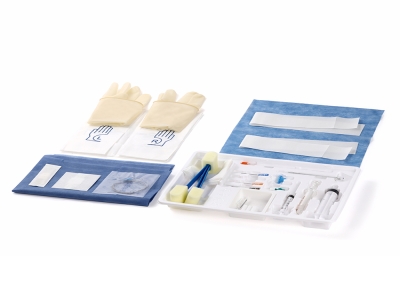
Maternal & Neonatal Care Items: Sterile
maternity pads (2-3 pieces, highly absorbent and leak-proof), neonatal
umbilical clamps (medical-grade plastic/stainless steel, used for umbilical
cord ligation), sterile neonatal gauze pads (4-6 layers, for cleaning the
umbilicus and skin), and neonatal umbilical care kits (including PVP-I cotton
swabs and sterile dressings);
Operational Tools: Sterile medical gloves
(2-3 pairs, divided into examination-use and childbirth-operation-use), sterile
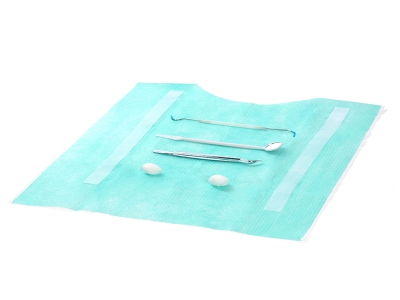
vaginal speculums (configured as needed, for vaginal examinations), medical
round-tip scissors (for cutting umbilical cords/sutures), and suction catheters
(for emergency resuscitation of neonates with asphyxia);
Disinfection & Protection Items: PVP-I
disinfection wipes (10-15 pieces, for disinfecting the maternal perineum and
birth canal), small-volume sterile normal saline (for cleaning wounds and
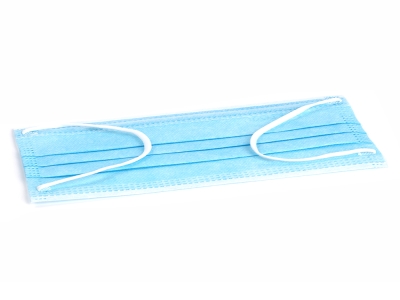
neonatal eyes), and disposable medical caps/masks (for healthcare worker
protection);
Emergency Items: Medical gauze pads (for hemostasis
and padding during childbirth) and disposable blood collectors (configured as
needed, for monitoring postpartum blood loss).
2. Key Advantages Adapted to Childbirth
Scenarios
Sterility & Safety Priority:
Individually sealed packaging + EO sterilization, with a sterilization
qualification rate of 99.9%, ensuring no bacterial or viral residues. This
completely eliminates cross-infection risks associated with traditional
reusable supplies (especially preventing puerperal infection and neonatal omphalitis);
Process Efficiency Improvement: All
supplies for the entire childbirth process are provided in one set, eliminating
the need for healthcare workers to sort and assemble supplies temporarily. This
reduces childbirth preparation time (saving 15-20 minutes in emergency
childbirth scenarios);
Operational Standardization: Uniform
specifications and quantities of components avoid operational errors caused by
missing supplies (e.g., forgotten umbilical clamps or disinfection items),
making it suitable for midwives with varying levels of experience;
Dual Protection Design: Healthcare worker
protective items (gloves, caps/masks) and maternal-neonatal care items are
packaged in separate compartments. This protects healthcare workers from bodily
fluid contamination while preventing maternal and neonatal exposure to external
contaminants.
III. Application Scenarios of Sterile
Disposable Delivery Packs
Core Hospital Obstetrics Scenarios: Term
vaginal delivery in grade II and above hospitals, immediate post-cesarean section
care (e.g., neonatal umbilical cord handling, maternal puerperal cleaning), and
planned childbirth for mothers with high-risk pregnancies;
Primary Healthcare Scenarios: Routine
delivery services in township health centers and community health service
centers, as well as childbirth simulation training in prenatal care
institutions (must be labeled "For Training Only");
Emergency Childbirth Scenarios: Emergency
childbirth in ambulances, temporary delivery in remote areas without fixed
medical facilities (used with first-aid kits), and childbirth in temporary
medical centers after natural disasters;
Special Need Scenarios: Isolated childbirth
for mothers with infectious diseases (e.g., hepatitis B, HIV-positive).
Enhanced protective packaging must be selected to prevent bodily fluid
penetration.
IV. Correct Usage Steps for Sterile
Disposable Delivery Packs
1. Pre-Operative Preparation (30 Minutes
Before Childbirth)
Packaging Integrity Check: Confirm that the
outer packaging is undamaged and airtight. Check the production date and
sterilization validity period (do not use if expired or damaged);
Environment Preparation: Open the packaging
next to the sterile delivery table, and arrange components in separate zones:
"Maternal Supplies (Left) - Neonatal Supplies (Right) - Emergency Supplies
(Front)" to avoid cross-contact;
Personnel Protection: Healthcare workers
first wear disposable caps and masks, then take out sterile gloves (talc-free
version to avoid irritating neonatal skin) from the pack, and put them on after
disinfection following surgical handwashing procedures.
2. Intra-Delivery Operation (Core Steps)
Maternal Care: Place sterile maternity pads
on the delivery table. Disinfect the perineum in the order of "perineum →
medial thigh → perianal area" using PVP-I wipes (spiral wiping, at least 2
times). Clean the birth canal with normal saline if necessary;
Neonatal Care: Immediately after the fetus
is delivered, wipe mucus from the neonate’s mouth and nose with sterile gauze.
Use a suction catheter to clear the airway if emergency resuscitation is
needed. For umbilical cord ligation, disinfect the base of the umbilical cord
with PVP-I, apply a sterile umbilical clamp (1-2 cm from the umbilical base),
and wrap it with gauze;
Hemostasis & Cleaning: After childbirth,
use medical gauze pads to apply pressure to the maternal perineal wound for
hemostasis. Clean the wound with normal saline before suturing (if required).
3. Post-Operative Handling
Supply Disposal: Classify all used
components (including gloves, maternity pads, and used gauze) as
"infectious medical waste," seal them in dedicated medical waste
bags, and do not discard them randomly;
Unused Supplies: Unused sterile components
(e.g., spare gloves, PVP-I wipes) that have been exposed to air must be
discarded and cannot be retained for future use;
Maternal & Neonatal Monitoring: Record
the usage status of the delivery pack (e.g., component integrity, presence of
damage). Simultaneously monitor the mother for signs of puerperal infection
(e.g., fever, wound redness/swelling) and the neonate for umbilical bleeding.
⚠️ Note: For
cesarean section scenarios, an "additional sterile surgical pack" is
required; basic delivery packs alone are insufficient. In emergency childbirth,
if certain components (e.g., umbilical clamps) are missing, use sterile gauze
to ligate the umbilical cord and transfer the neonate to a hospital as soon as
possible.
V. Guide to Avoiding Pitfalls When
Purchasing Sterile Disposable Delivery Packs
1. Prioritize Qualifications; Reject
"Three-No" Products
Choose manufacturers with Medical Device
Registration Certificates and Medical Device Manufacturing Licenses. Products
must comply with standards such as GB/T 19633-2005 Standard for Packaging of
Sterile Medical Devices and YY/T 0698-2019 Medical Gloves. Avoid purchasing
unqualified "small workshop products" (prone to substandard
sterilization and poor-quality materials).
2. Focus on "Maternal-Infant
Friendly" Material Safety
Components in contact with neonates (e.g.,
umbilical clamps, gauze) must meet "medical-grade non-toxic material"
standards, be free of fluorescent agents and formaldehyde residues, and have a
skin irritation level ≤ Class 0 (request material test reports from
manufacturers if necessary);
Maternal maternity pads should be
"breathable + leak-proof" to avoid puerperal eczema caused by poor
air permeability.
3. Match Specifications to Childbirth Type
Vaginal Delivery-Specific Packs: Focus on
components for "perineal care and immediate neonatal handling," no
complex surgical tools required;
Cesarean Section-Specific Packs: Must
additionally include components such as "abdominal disinfection wipes,
surgical gauze, and sterile drainage tubes," adapted to surgical
scenarios;
Emergency Mini Packs: Compact in size,
prioritizing core 4-piece sets ("maternity pads, gloves, umbilical clamps,
disinfection wipes") for mobile scenarios.
4. Storage and After-Sales Support
Storage Requirements: Store in a dry
environment with a temperature of 10-30℃ and relative humidity ≤ 60%, away from
heat sources and corrosive substances to prevent packaging moisture damage;
After-Sales Selection: Prioritize suppliers
that offer "sample trials," "return/exchange for damaged
packs," and "delivery cycle commitments (e.g., 72-hour
delivery)." Sign quality assurance agreements for bulk purchases.
5. Cost-Effectiveness ≠ Low Price
When comparing different brands,
comprehensively consider "unit price + shelf life (preferably 2-3 years) +
component integrity." Avoid choosing "incomplete packs" (e.g.,
missing umbilical clamps or disinfection wipes) for low prices, as this will
increase additional procurement costs.
VI. Frequently Asked Questions (FAQ)
1. Can Sterile Disposable Delivery Packs be
Reused?
Absolutely not! This product is a
"single-use sterile supply." It must be used immediately after
opening and disposed of as infectious medical waste after use. Reuse will cause
serious risks such as maternal puerperal infection and neonatal sepsis.
2. Do Neonatal Items (e.g., Umbilical
Clamps) in the Pack Require Additional Disinfection?
No additional disinfection is needed.
Neonatal components in regular delivery packs have undergone EO sterilization
and can be used directly after opening. If exposed to air for more than 30
minutes, replace with new sterile components to avoid secondary contamination.
3. Can the Same Delivery Pack be Used for
Both Vaginal Delivery and Cesarean Section?
It is not recommended for universal use.
Cesarean section is a surgical scenario that requires a "cesarean
section-specific pack" (including surgical-grade disinfection items,
drainage tubes, etc.). Basic vaginal delivery packs lack necessary surgical
components and cannot meet sterile surgical requirements.
4. Can Expired Delivery Packs be Used in
Emergencies?
Use is prohibited! The sterile barrier of
expired packs may fail, and internal components are prone to bacterial growth.
Use will significantly increase the risk of maternal and neonatal infection.
Even in emergency scenarios, only products within the validity period should be
used.
VII. Conclusion
Sterile Disposable Delivery Packs are core
supplies connecting "safe childbirth" and "maternal-infant
health." Their sterility, standardization, and convenience directly affect
the safety and efficiency of the childbirth process. Medical institutions must
adhere to qualification thresholds when purchasing, and healthcare workers must
follow standardized usage procedures—jointly building an
"infection-free" childbirth environment for mothers and neonates.
If you need to obtain samples of
clinical-standard delivery packs, bulk purchase quotes, or learn about
customized solutions for different scenarios, please leave a message forconsultation. We will connect you with formal medical suppliers to provide professional
support!