

How does a medical underpad function in patient care
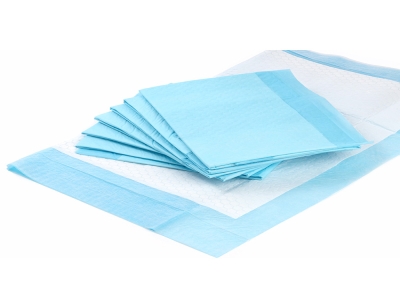
In clinical and home care environments, maintaining surface hygiene and skin dryness is a primary requirement for patient health. A medical underpad is a multi-layered, disposable absorbent sheet designed to protect beds, chairs, and other furniture from moisture damage. These products are essential tools for managing incontinence, wound drainage, and post-operative recovery.
Technical Construction of Jianda Medical Underpads
1. Top Layer: Non-Woven Fabric
2. Absorbent Core: Fluff Pulp and SAP
Fluff Pulp: Provides the initial volume for liquid distribution. SAP: Chemically locks the liquid into a gel, preventing "rewet" even when under the weight of a patient. Jianda Medical often employs a diamond-embossed pattern on this core to facilitate even fluid distribution.
3. Back Layer: Polyethylene (PE) Film
Key Performance Indicators for Selection
Absorbency Capacity: The total volume of fluid the pad can hold before failure. Acquisition Time: The speed at which the top layer transfers liquid to the core. Dryness Levels: The ability of the surface to remain dry after liquid exposure. Structural Integrity: Ensuring the pad does not tear or clump when wet.
Primary Applications in Healthcare
Hospital Wards: Protecting bedding for patients with limited mobility or incontinence. Operating Rooms: Managing fluids and irrigation during surgical procedures. Maternity Units: Used during and after delivery for fluid management. Home Care: Providing a cost-effective solution for long-term bedridden patients.
Choosing Professional Underpad Suppliers
Customization: The ability to adjust size (e.g., 60x60cm, 60x90cm) and SAP weight based on specific clinical needs. Quality Certification: Adherence to ISO 13485 standards ensures that the materials are medical-grade and hypoallergenic. Supply Chain Stability: Advanced production lines allow for high-volume orders with consistent product quality across batches.