



How to choose a Reliable ICU Visitor Protection Pack Supplier
In intensive care units (ICUs), patients are highly vulnerable to healthcare-associated infections due to compromised immune systems. Managing the hygiene of non-clinical visitors is a critical component of hospital infection control protocols. An ICU Visitor Protection Pack provides a standardized, single-use solution to mitigate environmental risks. Choosing the right supplier ensures that these packs meet the necessary technical specifications for material safety and barrier performance.
Essential Components of an ICU Visitor Protection Pack
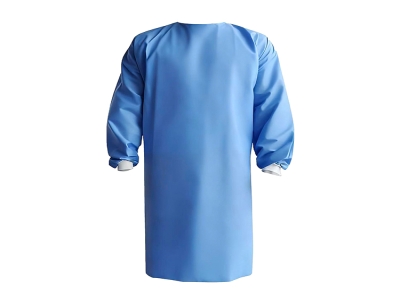
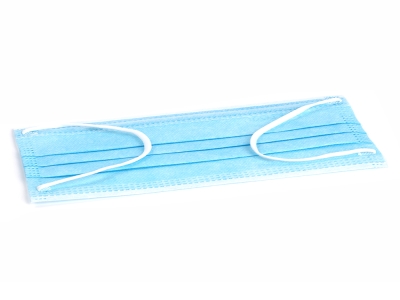
Isolation Gown: Manufactured from non-woven polypropylene (PP) or SMS fabric, providing a lightweight yet effective barrier against dust and fluid splashes. 3-Ply Medical Mask: Features a melt-blown filtration layer to intercept respiratory droplets. Bouffant Cap: An elasticated head cover designed to contain hair and skin dander. Shoe Covers: Disposable covers with elastic openings to prevent the transfer of contaminants from outdoor footwear to the hospital floor.
Technical Material Standards
Barrier Integrity and Breathability
Filtration Efficiency
Hypoallergenic and Latex-Free Properties
Operational Benefits for Healthcare Facilities
Standardized Compliance: By providing a pre-assembled kit, hospitals ensure that every visitor follows the exact same PPE protocol, leaving no item (such as shoe covers) omitted. Efficiency for Nursing Staff: Clinical staff save time by not having to source individual PPE items for visitors. The "all-in-one" format allows for rapid and organized entry. Simplified Inventory: Tracking a single stock-keeping unit (SKU) for the protection pack is more efficient than managing separate inventories for gowns, masks, and caps.
Selecting a Professional ICU Visitor Protection Pack Supplier
Certification and Compliance: Ensure the supplier operates under ISO 13485 quality management systems and that products carry CE or other relevant certifications. Manufacturing Environment: High-quality packs are assembled in controlled, clean environments to prevent pre-use contamination. Customization Options: A reliable supplier can often adjust the contents of the pack or the material weight (GSM) to meet specific hospital requirements. Supply Chain Stability: The ability to provide bulk quantities with consistent quality is essential for maintaining hospital operations.