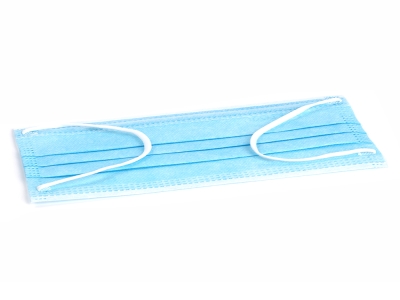


In conflict zones and war-affected regions, medical infrastructure is often compromised, putting healthcare workers at a higher risk of cross-infection. For international aid organizations, NGOs, and field hospitals, securing a stable supply of high-filtration surgical protection is critical. A Tie-on Face Mask is often preferred over earloop models in these environments due to its durability and adjustable fit. Identifying a reliable factory that meets international standards is essential for maintaining surgical safety in high-stress clinical settings.
Technical Specifications of Tie-on Face Masks
The protective efficiency of a surgical mask depends on its material composition and filtration layers. Jianda Medical manufactures masks using a standard 3-ply construction:
Outer Layer: A
fluid-resistant non-woven fabric that prevents the penetration of blood and
other bodily fluids.
Middle Layer: A
high-density melt-blown filter. This is the core component that provides a
Bacterial Filtration Efficiency (BFE) of ≥
95% or ≥ 98%, filtering out microscopic pathogens and
particulates.
Inner Layer: A
soft, hypoallergenic non-woven fabric designed to absorb moisture from the wearer’s
breath and minimize skin irritation during long procedures.
Advantages of Tie-on Designs in Conflict Zones
In field hospitals where medical personnel must work for extended hours under extreme conditions, the Tie-on Face Mask offers specific functional benefits:
1. Durability and Mechanical Strength
In high-intensity environments, the elastic loops on standard masks can snap under tension. Tie-on masks utilize four non-woven ties that are ultrasonically welded to the mask body. These ties provide superior mechanical strength, ensuring the mask remains secure even during active movement.
2. Adjustable and Secure Fit
Field medical staff may need to wear masks over various headgear, bandages, or head coverings. The tie-on design allows the user to adjust the tension at both the crown and the base of the neck, ensuring a tighter facial seal compared to earloop versions.
3. Extended Wear Comfort
Extended surgical procedures can cause "ear fatigue" or skin breakdown behind the ears from elastic pressure. Tie-on masks distribute pressure across the head, allowing for longer wear times without physical discomfort, which is vital for trauma surgeons in war zones.
Evaluating a Tie-on Face Mask Factory
When sourcing for humanitarian aid or military medical units, the credentials of the factory are the primary indicator of product reliability. Organizations should prioritize the following criteria:
Quality Management Systems: The factory must operate under ISO 13485 certification. This ensures that every batch of masks undergoes rigorous testing for filtration efficiency, breathability, and tie strength.
International Certification: Products should carry CE marks or meet EN 14683 standards (Type I, II, or IIR). Type IIR masks are particularly valuable in trauma surgery as they provide the highest level of fluid resistance.
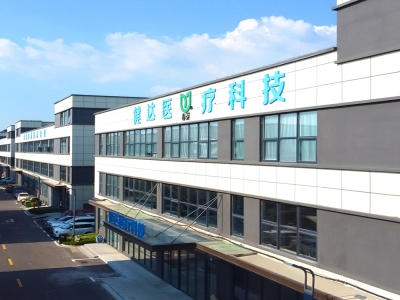
Production Capacity: Conflict zones require high-volume, consistent supply. A professional factory like Jianda Medical utilizes automated production lines to fulfill large-scale orders rapidly while maintaining uniform quality.

Logistics and Packaging for Remote Regions
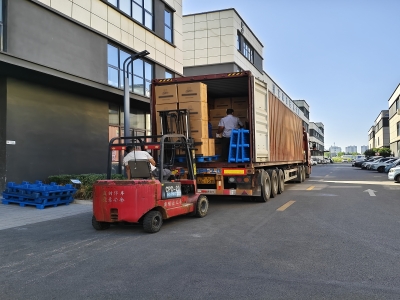
For supplies destined for regions with limited logistics infrastructure, packaging integrity is essential. Jianda Medical provides standardized packaging (e.g., 50 pieces per box, 40 boxes per carton) designed to withstand the rigors of international transport. The use of medical-grade inner packaging ensures the masks remain clean and functional until they are deployed in the field.
Conclusion
In war-affected areas, the quality of basic medical consumables can directly impact the safety of healthcare providers. By focusing on high-BFE melt-blown filters and the mechanical reliability of tie-on designs, Jianda Medical supports the critical work of emergency medical teams. For procurement agencies, partnering with a certified factory is an objective requirement to ensure that field hospitals receive the protection necessary to save lives in unpredictable environments.