

How to Evaluate the Quality of a Medical Underpad
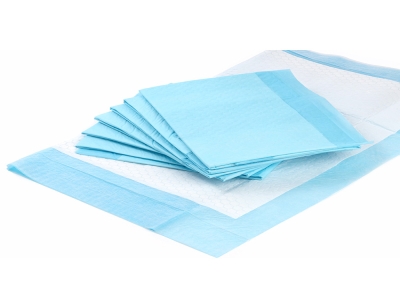
In healthcare facilities and home care settings, maintaining skin integrity and surface hygiene is a primary operational requirement. A medical underpad is a multi-layered absorbent sheet designed to protect beds, chairs, and other surfaces from fluid damage caused by incontinence, surgical procedures, or wound drainage. Understanding the technical specifications of these products is essential for selecting the correct solution for clinical needs.
Material Composition and Layered Structure
Top Sheet (Hydrophilic Non-Woven Fabric): The surface in contact with the patient is made of soft non-woven fabric. This material allows fluids to pass through quickly to the absorbent core while remaining dry to the touch to prevent skin maceration. Absorbent Core (Fluff Pulp and SAP): The core consists of virgin fluff pulp mixed with Super Absorbent Polymer (SAP). The fluff pulp distributes the liquid, while the SAP chemically locks the moisture into a gel, preventing "rewet" even under body pressure. Back Sheet (Polyethylene Film): The bottom layer is a waterproof PE film. This impermeable barrier prevents any fluid from leaking through to the mattress or upholstery, ensuring the protected surface remains dry.
Key Technical Features for Enhanced Protection
Diamond Embossing
Heat-Sealed Edges
Non-Slip Backing
Primary Clinical Applications
Incontinence Management: Used in geriatric and nursing wards to protect bedding and reduce the risk of moisture-associated skin damage. Post-Operative Care: Placed under patients to manage wound exudate or drainage following surgical procedures. Maternity and Neonatal Care: Employed during and after delivery to manage blood and amniotic fluid. General Diagnostics: Used on examination tables to maintain a sterile barrier and protect equipment from liquid splashes.
Selection Criteria for Procurement Professionals
Absorption Capacity: The total volume of fluid the pad can hold relative to its size (e.g., 60x60cm or 60x90cm). SAP Concentration: Higher SAP content generally indicates a superior ability to lock in moisture and control odors. Sterility Options: Depending on the application, underpads may be required in sterile or non-sterile formats. Regulatory Compliance: Ensure the manufacturer adheres to ISO 13485 quality management systems and that products meet CE or other relevant international standards.