
How to Identify a Professional Medical Polyurethane Foam Dressing Factory
In advanced wound care, selecting the correct material is vital for accelerating the healing process and managing exudate. Medical Polyurethane Foam Dressing is a highly absorbent, non-adherent solution used for various types of chronic and acute wounds. For healthcare procurement professionals, identifying a reliable factory involves evaluating material science, sterilization standards, and manufacturing consistency.
What is Medical Polyurethane Foam Dressing?
Key Technical Features and Material Structure
High Absorption Capacity: The 3D porous structure of the foam can hold large volumes of fluid, which prevents wound maceration (the softening and breaking down of skin due to prolonged moisture). Semi-Permeable Film Backing: The outer layer is waterproof and bacteria-resistant, protecting the wound from external contamination while allowing oxygen and moisture vapor to escape. Softness and Conformability: The foam is flexible and soft, allowing it to conform to irregular body contours and provide cushioning for sensitive wound sites. Non-Adherent Surface: The dressing is designed not to stick to the wound bed. This ensures painless removal and prevents secondary trauma to the newly formed tissue.
Clinical Applications in Wound Management
Chronic Wounds: Effective for treating pressure ulcers (bedsores), leg ulcers, and diabetic foot ulcers. Acute Wounds: Used for surgical incisions, skin grafts, and donor sites. Traumatic Wounds: Suitable for abrasions and lacerations with significant fluid discharge.
Manufacturing Standards and Quality Control
ISO 13485 Certification
Validated Sterilization
Biocompatibility Testing
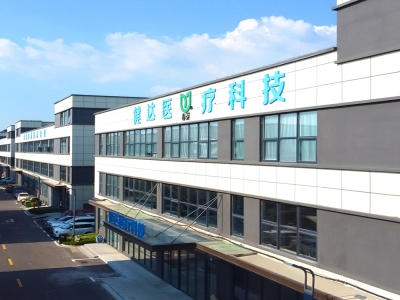
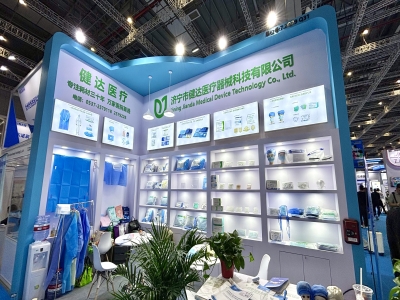
Why Choose Jianda Medical as Your Production Partner?
Standardized Production: Advanced automated equipment ensures uniform foam density and absorption rates across all units. Customization Options: The factory can produce various sizes, thicknesses, and configurations (such as bordered or non-bordered dressings) to meet specific market demands. Compliance and Export Capacity: With CE certification and international registrations, Jianda Medical supports global supply chains with reliable, medical-grade consumables.