

How to Select an Examination Pad Supplier
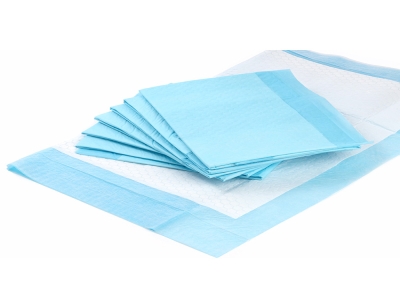
In medical environments, maintaining a sterile and clean surface on examination tables is a primary requirement for patient safety. An Examination Pad (also referred to as a medical couch roll or protective sheet) serves as a disposable barrier that prevents cross-contamination and protects equipment from fluids and particulates. For healthcare procurement professionals, identifying a reliable supplier involves evaluating material performance and manufacturing standards.
Technical Material Composition
Absorbent Top Layer: Manufactured from high-quality wood pulp or non-woven fabric. This layer is designed to absorb perspiration, wound exudate, or other clinical fluids quickly. Waterproof Backing: The bottom layer typically consists of a Polyethylene (PE) film. This impermeable barrier prevents liquids from soaking through to the examination table, ensuring the equipment remains dry and uncontaminated. Bonding Technology: Advanced heat-sealing or glue-bonding ensures the layers do not separate during use, maintaining the structural integrity of the pad.
Primary Functions in Clinical Settings
Surface Protection: They shield examination couches, massage tables, and chairs from stains, oils, and biological fluids. Infection Control: Being single-use, they eliminate the risk of pathogen transfer between patients, which is common with reusable textiles. Patient Comfort: The soft texture of the top layer provides a comfortable surface for patients, reducing direct contact with cold or non-porous medical furniture.
Key Specifications to Consider
Size and Dimensions: Standard sizes often include 60x60cm or 60x90cm for flat pads, or various widths for couch rolls. Customization is often required for specialized equipment. Absorbency Levels: The weight of the pulp or the thickness of the non-woven layer determines the fluid capacity. Perforation and Format: For rolls, clean perforation allows for efficient tearing. For flat sheets, precise folding supports rapid dispensing. Hypoallergenic Properties: Materials must be latex-free and non-irritating to ensure safety for all patient skin types.
Evaluating an Examination Pad Supplier
ISO and CE Certification: The manufacturer must adhere to international quality systems, such as ISO 13485, to ensure medical-grade consistency. Production Capacity: A reliable supplier should have the infrastructure to fulfill high-volume orders for hospital groups or distributors without supply chain delays. Cleanroom Manufacturing: Production should occur in a controlled environment to prevent the introduction of dust or environmental pollutants before packaging. Customization Services: The ability to offer private labeling, specific material weights, or unique sizes is a significant factor for global procurement.