



Pet Care Pads: Big Knowledge in Small Pads
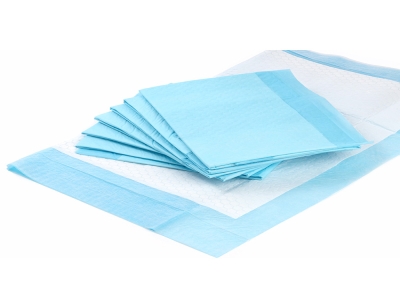
As the "invisible guardians" of pet-keeping households, pet care pads are no longer just simple "urine-catching tools"—they have evolved into high-quality care products integrating material technology and behavioral design. However, many pet owners still feel confused when choosing among different types, such as maternity pads for cats and pee pads for dogs.
The core value of care pads lies in their
material composition. High-quality products usually adopt a composite structure
of "skin-friendly surface layer + high-molecular water-absorbent layer +
waterproof bottom film". Among these, the high-molecular water-absorbent
material can absorb 12-15 times its own weight in liquid and achieve rapid water
absorption in 0.8 seconds. Maternity pads for cats prioritize softness;
non-woven fabric and fluff pulp materials help alleviate the discomfort of
mother cats during delivery. In contrast, pee pads for dogs often contain
attractants, which activate dogs' olfactory memory to assist in house-training.
The newly launched degradable models in 2025 use highly breathable bottom films
instead of traditional plastic films, balancing environmental friendliness and
breathability.
There's a knack to choosing the right
product. By scenario: For puppies, select pee pads with inducing factors to
shorten the training period to 12 days; for mother cats giving birth, prepare
3-5 disposable maternity pads; for post-surgery pets, opt for thickened
versions with anti-slip particles to reduce joint impact. In terms of
parameters, prioritize products with a ≥6-layer structure, a gram weight of
≥45g/m², and FDA certification—these can reduce odor emission by 87%. The size
should match the pet's build; for large dogs, avoid undersized pads to prevent
leakage.
Avoid misconceptions in use. Some people
think old pads can be reused, but in reality, residual secretions easily breed
bacteria and threaten pets' health. Never replace cat litter with care pads, as
the latter lack clumping properties and are only suitable for temporary use.
Control the replacement frequency: once or twice a day is optimal. Replacing
pads too frequently disrupts scent marking, while leaving them too long leads
to excessive bacteria.
Small pet care pads are crucial for pets'
health and home cleanliness. Choosing and using them correctly is the only way
to maximize their value.