




What is a disposable medical mask and how does it function
In healthcare settings, the disposable medical mask is a fundamental component of personal protective equipment (PPE). Its primary function is to act as a physical barrier that prevents the spread of respiratory droplets between individuals. Understanding the technical construction and filtration standards of these masks is essential for ensuring effective infection control in clinical environments.
What is the material construction of a 3-ply medical mask?
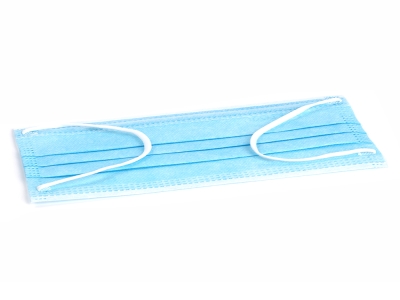
Outer Layer (Spunbond Non-Woven): The outermost layer is typically made of fluid-resistant spunbond polypropylene. Its function is to repel water, blood, and other bodily fluids, preventing them from reaching the inner layers. Middle Layer (Melt-blown Filter): This is the most critical component of the mask. It consists of a dense mat of microfibers that provide the primary filtration. This melt-blown layer captures bacteria and sub-micron particles through mechanical trapping and electrostatic attraction. Inner Layer (Absorbent Non-Woven): The layer in contact with the wearer’s face is made of a soft, skin-friendly non-woven fabric. It is designed to absorb moisture from the wearer’s breath, maintaining comfort and preventing skin irritation during extended use.
What are the key performance metrics?
Differential Pressure (Delta P)
Fluid Resistance
What design features ensure a proper fit?
Adjustable Nose Clip: An integrated metal or plastic strip allows the wearer to contour the mask to the bridge of the nose. This reduces gaps through which air can bypass the filter and helps prevent the fogging of eyewear. Elastic Earloops: The loops are designed to provide consistent tension, holding the mask securely against the face without causing excessive pressure behind the ears. Ultrasonic Welding: The earloops are attached to the mask body using ultrasonic welding technology. This creates a bond that is stronger than traditional adhesive methods, reducing the risk of the loops snapping during use.
Where are these masks utilized?
Hospitals and Clinics: Worn by staff and patients to reduce the risk of cross-infection. Operating Rooms: To maintain a sterile field during surgical procedures. Dental Clinics: Protecting practitioners from aerosols and splashes generated during dental work. Public Settings: Utilized by individuals in high-density areas to limit the transmission of seasonal respiratory viruses.