

What is a Disposable Sterile Surgical Gown
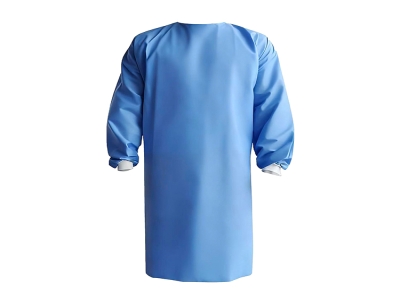
In the operating room, the Disposable Sterile Surgical Gown is a critical barrier between the surgical team and the patient. Its primary purpose is to prevent the transfer of microorganisms, bodily fluids, and particulate matter, thereby reducing the risk of surgical site infections (SSIs). Understanding the technical construction, material properties, and design features of these gowns is essential for maintaining a sterile clinical environment.
What materials are used in the construction of a surgical gown?
SMS Non-Woven Fabric: This is a trilaminate material. The two outer "Spunbond" layers provide tensile strength and durability. The middle "Meltblown" layer consists of a dense web of microfibers that act as a high-efficiency filter against bacteria and fluids. Fluid Resistance: The SMS structure is inherently hydrophobic. It resists the penetration of liquids such as blood, saline, and other surgical fluids, maintaining a dry barrier for the wearer. Breathability: Despite its barrier properties, the material allows for the exchange of air and moisture vapor. This is necessary to prevent the wearer from overheating during long surgical procedures.
What is the function of the knitted cuff?
Secure Glove Interface: The soft, elasticized knitted material provides a snug fit around the wrist. This ensures that the gown sleeves remain in place when surgical gloves are donned over them, preventing the sleeves from sliding up and exposing the skin. User Comfort: Unlike elastic bands that may cause pressure points, knitted cuffs are soft and reduce skin irritation during extended wear. Aseptic Integrity: By maintaining a secure seal at the wrist, the cuffs help prevent the migration of contaminants from the wearer’s arms into the sterile field.
How is sterility maintained and verified?
Ethylene Oxide (EO) Sterilization: The gowns are sterilized using EO gas, which effectively eliminates all forms of microbial life. This process is ideal for heat-sensitive medical textiles. Medical-Grade Packaging: Each gown is individually wrapped in a paper-plastic pouch that maintains sterility during transport and storage. These pouches are designed for aseptic opening, allowing the gown to be removed without contamination. Sterilization Indicators: The packaging includes a chemical indicator that changes color to confirm the gown has been exposed to the sterilization process.
What technical standards do these gowns meet?
AAMI Levels: Gowns are tested for water resistance (impact penetration) and hydrostatic pressure. Jianda Medical produces gowns that meet various levels of protection, ranging from Level 2 for low-fluid procedures to Level 3 for moderate-risk surgeries. Low Linting: The fabric is engineered to be low-linting, which is critical for preventing airborne fibers from entering the surgical wound or the cleanroom environment. Flame Resistance: As surgeries often involve the use of lasers or electrosurgical units, the materials are treated to meet industry standards for flame resistance.
Why is a disposable gown preferred over reusable options?
Consistent Protection: Every disposable gown provides a fresh, uncompromised barrier. Reusable gowns lose their fluid-repellent properties after repeated laundering and autoclaving. Elimination of Cross-Contamination: Single-use gowns are discarded immediately after use, removing the risk of biological hazards being transported through the hospital for processing. Cost Efficiency: Using disposable gowns eliminates the labor, water, energy, and chemical costs associated with an in-house laundry facility.