



What is a KN95 mask
In the field of respiratory protection, the KN95 mask is a particulate respirator designed to filter out airborne contaminants. It is engineered to capture at least 95% of non-oily particles, including dust, pollen, droplets, and microorganisms. Understanding the technical construction and performance standards of these respirators is essential for ensuring effective protection in clinical, industrial, and public environments.
What is the material construction of a KN95 mask?
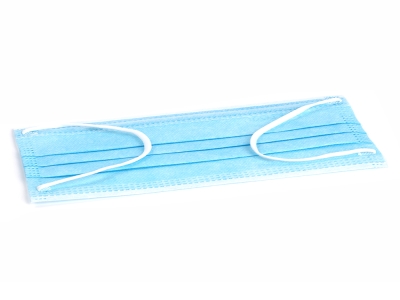
Outer Non-Woven Layer: This layer provides the initial structural integrity of the mask and acts as a barrier against large particles and fluid splashes. Melt-Blown Filter Layers: The core of the respirator consists of electrostatically charged melt-blown polypropylene. This material captures microscopic particles through mechanical trapping and electrostatic attraction. Jianda Medical often uses dual layers of melt-blown fabric to ensure consistent filtration performance. Hot-Air Cotton Layer: This layer provides structural support and additional insulation while maintaining low breathing resistance. Inner Skin-Friendly Layer: The innermost layer is made of soft non-woven fabric designed for comfort. It absorbs moisture from the wearer’s breath to prevent skin irritation during extended wear.
How does the mask achieve its filtration efficiency?
What design features ensure a secure facial seal?
3D Folded Design: The mask is shaped to follow the contours of the human face, providing a large internal breathing space that reduces contact with the lips and nose. Adjustable Nose Clip: An integrated metal or plastic strip is located at the bridge of the nose. The wearer contours this clip to their specific facial structure to minimize gaps, which also helps prevent the fogging of eyewear. Elastic Ear Loops: The loops are designed to provide sufficient tension to hold the mask firmly against the face while remaining comfortable for long-term use.
What technical standards does the product meet?
Filtration Efficiency: Testing against sodium chloride (NaCl) particulates. Inhalation and Exhalation Resistance: Ensuring the mask does not excessively restrict breathing. Dead Space: Measuring the volume of exhaled air that remains in the mask.
Applications and Quality Assurance
Healthcare: Protecting staff from airborne pathogens during non-surgical procedures. Industry: Shielding workers from fine dust and particulates in construction or manufacturing. Public Safety: Reducing exposure to environmental pollutants and seasonal respiratory viruses.