
Why is a Professional Wound Dressing Change Pack Supplier Essential for Conflict Zones
In conflict-affected regions, medical facilities often face a surge in traumatic injuries compounded by a lack of stable infrastructure, such as electricity and clean water. Maintaining sterile conditions for wound care is difficult in these environments. A Wound Dressing Change Pack is a pre-assembled, sterile kit designed to provide all necessary components for a single procedure. For international aid organizations and field hospitals, selecting a certified supplier is a critical step in ensuring clinical safety and preventing secondary infections.
Components of the Wound Dressing Change Pack
Disposable Forceps: Usually provided in pairs or trios, these allow for the aseptic handling of dressings without direct skin contact. Gauze Swabs: High-absorbency non-woven or cotton pads for debriding and cleaning wound sites. Sterile Field/Drape: A waterproof sheet that establishes a clean working area, protecting the wound from environmental contaminants. Compartmentalized Tray: Used to organize instruments and hold antiseptic solutions during the procedure. Waste Bag: Facilitates the immediate and safe disposal of contaminated biological waste.
Overcoming Sterilization Challenges in the Field
Validated EO Sterilization
Single-Use Security
Improving Clinical Efficiency and Response Speed
Reduced Preparation Time: Medical staff do not need to gather individual sterile items. Opening one pack allows for an immediate start to the procedure. Inventory Simplification: Aid agencies can track a single stock-keeping unit (SKU) for wound care, which simplifies the supply chain and logistics in regions with restricted access. Standardization of Care: Pre-assembled kits ensure that every patient receives the same high-quality materials, regardless of whether the provider is a permanent staff member or a volunteer medic.
Criteria for Evaluating a Medical Pack Supplier
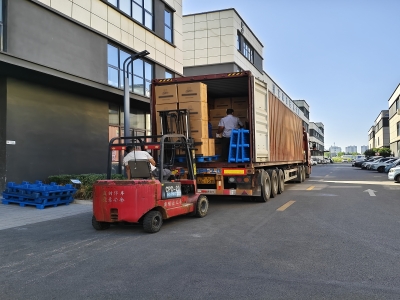
ISO 13485 Certification: This ensures the manufacturer adheres to the specific quality management system for medical devices. CE Compliance: Confirms the products meet safety and performance requirements for the global medical market. Large-Scale Capacity: A reliable supplier must be able to fulfill bulk orders rapidly to meet the sudden demands caused by escalating conflicts. Logistical Durability: The medical-grade paper-plastic packaging used by Jianda Medical is designed to maintain a sterile barrier even during the rigors of international transport to remote areas.