



Can Medical Gloves Be in Direct Contact with Food?
Medical gloves are categorized into sterile gloves, rubber gloves, latex gloves, nitrile gloves, polyethylene gloves, polyvinyl chloride (PVC) gloves, etc. Among them, medical rubber gloves are made of natural rubber and divided into two categories: powdered and powder-free.
The powder—either cornstarch or talcum
powder—serves two main purposes: first, to prevent gloves from sticking
together, and second, to facilitate putting them on.
Powdered vs. Powder-Free Medical Gloves
Powdered medical gloves are not
recommended for use as food-contact gloves. Although talcum powder is added
for easier donning and is non-toxic, it is not edible. Even though cornstarch
used in some gloves is food-grade, powdered medical gloves should still not be
used when handling food.
In contrast, powder-free medical
gloves can be used as food-contact gloves. In fact, when doctors examine
patients, they may touch the patient’s mouth and skin surface while wearing
these gloves. This indicates that medical gloves can come into contact with
human mucous membranes, so they pose no problem when used for handling food.
Disposable PE Gloves (Polyethylene Gloves)
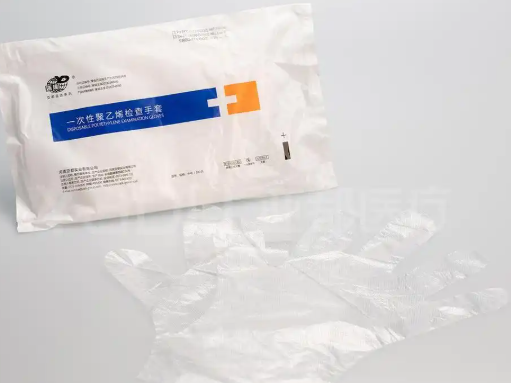
The gloves usually provided with foods like
crayfish and roast duck are disposable PE gloves. Made of polyethylene, these
are transparent plastic gloves with the following properties: waterproof,
oil-resistant, bacteria-resistant, acid and alkali resistant, and
antibacterial. They are very easy to use. Their surface is textured to prevent
sticking, and they can be used on either hand—making them widely used products
today.
PE gloves are often used for household
cleaning, laboratory testing, mechanical gardening, food, hygiene, industrial
and agricultural protection, hair dyeing, care and washing, and dining. Almost
all disposable transparent gloves seen in daily life are PE gloves. In simple
terms, PE gloves can contact food and are non-toxic.
If you need to use this text for product instructions or consumer guides, I can help you refine it into a more concise English version with highlighted key points (e.g., marking glove types and their food-contact suitability clearly). Do you want this optimization?