


Decoding the "Electrostatic Electret" Technology and Respiratory Dynamics Behind Medical Masks
1. Core Defense: The "Electrostatic Trap" of Meltblown Fabric
Many mistakenly believe masks work like a sieve, blocking bacteria solely through physical mesh size. However, bacteria are far smaller than fiber gaps. Real medical masks rely on Electrostatic Adsorption.
Electret Treatment: The middle layer—Meltblown Non-woven fabric—undergoes high-voltage electret treatment during manufacturing, charging the fibers with static electricity.
Active Capture: When aerosols carrying viruses or bacteria pass through, even if they are smaller than the pores, they are attracted and trapped by the charged fibers like iron filings to a magnet.
The Risk of Inferior Products: Cheap masks often use non-electret or rapidly decaying meltblown fabric, resulting in near-zero interception capability for microscopic particles.
2. Decoding Standards: BFE & PFE
Two key acronyms define mask safety standards:
BFE (Bacterial Filtration Efficiency): Measures filtration of 3.0-micron particles. Qualified medical masks typically require BFE ≥ 95% (Type I) or ≥ 98% (Type II/IIR).
PFE (Particle Filtration Efficiency): Measures filtration of sub-micron particles (0.1 microns). This is critical for blocking viral aerosols. Jining Jianda Medical ensures that every batch meets high BFE/PFE standards, preventing the risk of "leakage" caused by inconsistent materials.
3. Respiratory Resistance: Why Breathability Equals Safety
It sounds contradictory, but Breathability (ΔP / Delta P) directly impacts protection. If a mask has high resistance (feels stuffy), airflow seeks the "path of least resistance"—leaking out through gaps at the nose bridge or cheeks.
Low-Resistance Design: High-quality medical masks optimize fiber structure to maintain high filtration while keeping differential pressure low (typically < 40 Pa/cm²).
Improved Compliance: Superior breathability means medical staff can wear the mask for hours without hypoxia or dizziness, reducing the risk of unconsciously touching or removing the mask.
4. Structural Integrity: Details Determine Success
Beyond fabric, physical structure dictates efficacy:
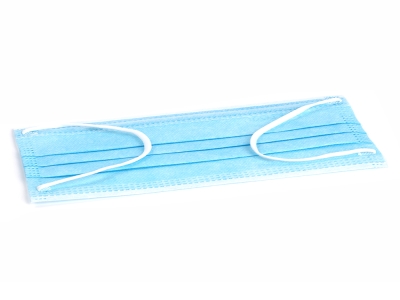
Nose Clip: Uses a malleable strip with a "memory effect" to contour tightly to the nose bridge. This prevents warm exhaled air from escaping upward and fogging up protective eyewear, which can obscure vision.
Ear Loop Welding: Utilizes ultrasonic spot welding to ensure ear loops withstand tension without snapping, avoiding the danger and embarrassment of a mask failure during clinical procedures.
Conclusion
A Disposable Medical Mask weighs less than 5 grams, yet it carries the heavy responsibility of breaking the chain of respiratory infection. From the micro-physics of electrostatic electrets to the macro-ergonomics of fit, no detail can be compromised. For healthcare institutions seeking professionalism and compliance, choosing medical masks with transparent testing data is the most fundamental, yet critical, line of defense for staff and patient safety.