
How ICU Visitor Packs Intercept the MDRO Transmission Chain?
1. Blocking Fomite Transmission: Clothing and Hair as Bacterial Vectors
Unseen by the naked eye, a visitor's ordinary cotton clothing can harbor bacteria acquired from high-risk public areas like hospital corridors and elevator railings.
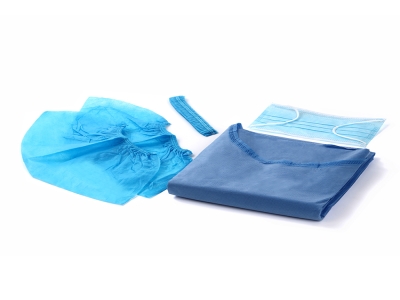
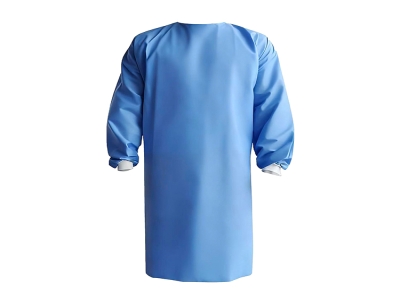
Isolation Gown Coverage: The gown included in the pack provides full coverage, which is crucial not only for preventing the visitor from touching the patient directly but, more importantly, for covering the visitor's own clothes. This effectively prevents the shedding of bacteria (like Staph or E. coli) attached to outer garments into the patient's immediate environment.
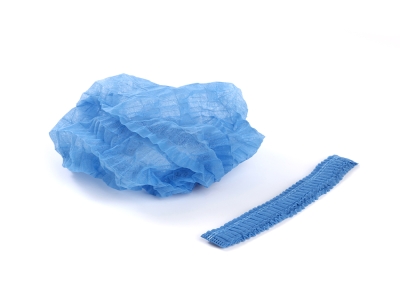
Head Cap Containment: The scalp and hair are major sources of skin flake and dander shedding, which act as microscopic carriers for bacteria. Wearing a Head Cap physically contains the hair, preventing particles from dropping into open wounds or near catheter insertion sites.
2. Curbing Contact Transmission: Microbial Migration via Shoe Soles
The floor is one of the areas with the highest density of bacterial colonization in a hospital. A visitor's shoe soles can carry abundant Gram-negative bacteria or even spores from the outside environment into the critical care area.
Shoe Covers: The shoe covers in the pack are essential for breaking the secondary transmission chain of "floor-to-dust-to-respiratory-tract." They prevent visitors from tracking external dirt and pathogens into the clean ICU zone and mitigate the risk of pathogen-laden dust being aerosolized during movement, which could then be inhaled or settle on open wounds.
3. Filtering Droplet Transmission: Respiratory Dual Protection
ICU patients are often immunocompromised and may have invasive devices like endotracheal tubes or central venous catheters, making them highly susceptible to respiratory pathogens.
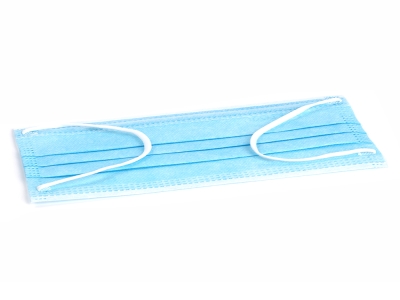
Non-woven Face Mask: Beyond preventing influenza transmission, the core function of the mask is to block oral and pharyngeal colonizing flora. When a visitor speaks or offers comfort at the bedside, the mask effectively intercepts invisible micro-droplets, preventing direct splatter onto the patient's face or medical equipment surfaces, thereby reducing the external risk factor for Ventilator-Associated Pneumonia (VAP).
4. The Victory of Material Science: Barrier Efficiency
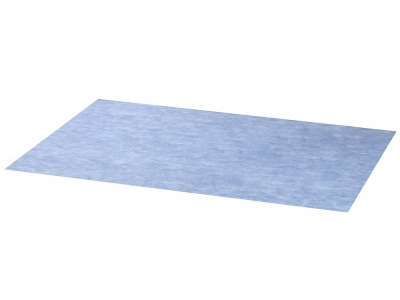
Unlike common textiles, professional ICU Visitor Protection Packs are typically made from advanced SMS (Spunbond-Meltblown-Spunbond) or high-density PP (Polypropylene) non-woven fabrics.
Low Linting: These materials inherently resist fiber shedding, reducing particulate contamination in the environment.
Fluid Repellency: They are designed to repel accidental splashes of blood or bodily fluids, protecting the visitor while preventing the potential for liquid-mediated two-way cross-contamination.
Conclusion
In the war against MDROs, no detail is too small. The ICU Visitor Protection Pack is not merely a ceremonial piece of attire, but a precisely engineered defense system based on the principles of microbial transmission. By standardizing the use of masks, gowns, caps, and shoe covers, it systematically blocks every potential path of pathogen entry. For healthcare institutions committed to building a "Zero Infection" ICU, mandating and standardizing the use of high-quality visitor protection packs is a highly cost-effective infection control investment.