

How to Evaluate Tie-on Face Mask Quality for Clinical and Surgical Environments
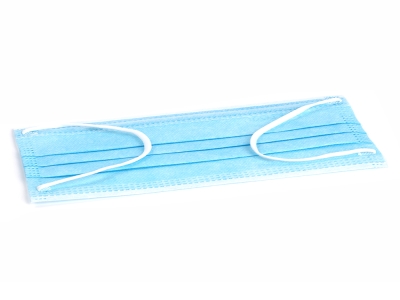
In medical and surgical settings, selecting the correct respiratory protection is essential for maintaining a sterile field and protecting healthcare workers. The Tie-on Face Mask is a specialized type of personal protective equipment (PPE) preferred in operating rooms and for long-duration procedures. Understanding the technical specifications and construction of these masks is necessary for ensuring high standards of safety and comfort.
Understanding the Structure of a Tie-on Face Mask
Outer Layer: Made of fluid-resistant non-woven fabric, this layer prevents the penetration of blood, saliva, and other liquid splashes. Middle Filter Layer: This is the most critical component, consisting of melt-blown polypropylene. It provides the Bacterial Filtration Efficiency (BFE) required to capture microorganisms and sub-micron particles. Inner Layer: A soft, skin-friendly non-woven fabric designed to absorb moisture from the wearer’s breath and minimize skin irritation during extended use.
The Advantages of the Tie-on Design
Adjustable Fit: The four ties allow the user to adjust the tension and position of the mask according to their head shape. This ensures a more secure seal around the edges of the mask, reducing the risk of air bypassing the filter. Reduced Pressure: For surgical procedures that last several hours, tie-on masks eliminate the pressure on the ears that often occurs with elastic loops, increasing wearer compliance and comfort. Secure Fixation: The ties provide a stable fit that is less likely to slip or loosen during active movement in the operating theater.
Technical Performance Indicators
Bacterial Filtration Efficiency (BFE)
Differential Pressure (Delta P)
Fluid Resistance
Key Features for Professional Use
Adjustable Nose Clip: An integrated aluminum or plastic nose wire allows the mask to be contoured to the bridge of the nose. This prevents eyewear from fogging and improves the overall seal. Hypoallergenic Materials: The use of latex-free and fiberglass-free materials is essential to prevent allergic reactions in sensitive individuals. Ultrasonic Welding: The ties should be attached to the mask body using ultrasonic welding rather than glue. This creates a stronger bond and ensures the ties do not snap during application.