






Why Do Surgeons Prefer Latex Gloves?
Medical gloves are essential personal
protective equipment for healthcare workers. They protect healthcare staff from
various infections while preventing the transmission of infectious agents to
patients, achieving a two-way protective effect. Medical gloves are widely used
in patient diagnosis, examinations, and surgeries; however, healthcare workers
have different glove preferences depending on the scenario.
Why Do Surgeons Prefer Latex Gloves?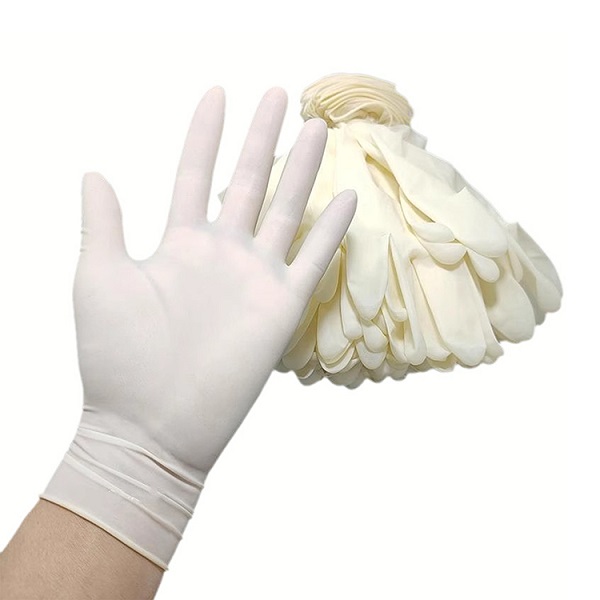
Due to their professional requirements,
surgeons come into frequent contact with patients' blood, mucous membranes, and
other bodily tissues. Additionally, the instruments they use—such as scalpels,
electric drills, and suture needles—are mostly sharp, putting them at a higher
risk of contracting bloodborne infectious diseases through occupational
exposure.
Therefore, to minimize the risk of
occupational exposure caused by contact with chemical, radioactive, physical
sharp objects, or other hazardous materials, surgeons have higher requirements
for personal protective equipment.
Disposable medical gloves made of common
materials like PVC, nitrile rubber, or neoprene have drawbacks such as poor
flexibility and tactile sensitivity. During use, they also impose a strong
sense of restraint on the wearer.
Furthermore, non-natural rubber gloves generally have poor breathability. Prolonged use can easily damage the skin on the hands. In terms of material durability and protective barriers against microorganisms and pathogens, non-natural rubber gloves still fall short of natural rubber gloves.

For these reasons, surgeons prefer to "arm" themselves with latex gloves during diagnosis and treatment. Surgical or examination gloves made of natural latex provide superior protection: while maintaining adequate thickness, they also offer exceptional flexibility, which helps resist the risk of sharp instrument injuries without hindering operations. Their advantages become even more prominent in clinical scenarios requiring protection against high-risk viruses or operations involving potential contact with sharp instruments (e.g., exposure to sharp tools). Moreover, latex gloves have excellent elasticity, are skin-friendly and soft, and allow flexible operation—fingers can bend without tightness, making them more convenient for precision procedures. They also help alleviate fatigue in surgeons during long surgeries.
Beyond the excellent user experience brought
by the material itself, latex gloves also deliver strong performance in
resisting pathogen infections. Data shows that a significant proportion of
pathogens causing hospital-acquired infections (HAIs) originate from
contaminated hands of healthcare workers.
Since healthcare staff frequently come into
contact with patients' blood, secretions, excreta, broken skin, or other
objects potentially containing infectious pathogens, maintaining hand hygiene
is the most fundamental, simple, and effective measure to prevent and control
the spread of pathogens.
Therefore, every healthcare worker must
start with wearing "high-quality" gloves to ensure proper personal
protection.